
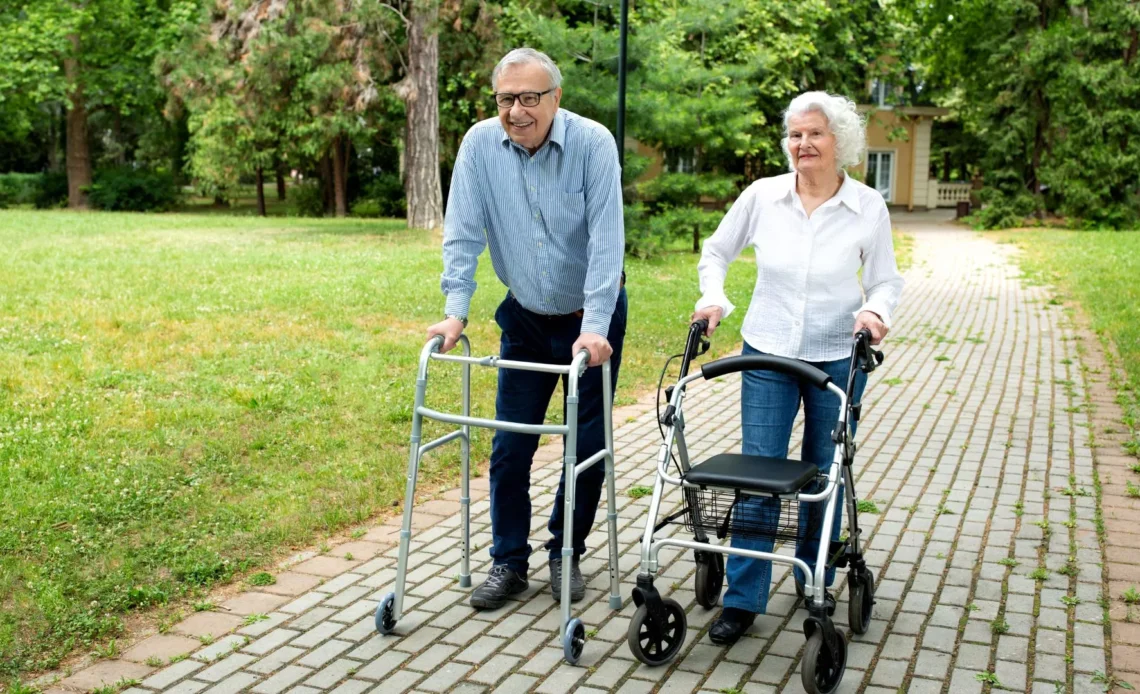
As we age, maintaining mobility is essential for independence, confidence, and overall quality of life. Many seniors face challenges such as reduced strength, balance issues, or chronic conditions that make walking safely more difficult. Mobility aids, including walkers, canes, and rollators, provide crucial support, helping older adults stay active and prevent falls. Choosing the right mobility aid is not just about convenience—it’s about safety, comfort, and long-term health. Understanding the types of aids available and how to select the most suitable option ensures seniors can move confidently and securely.
Understanding the Importance of Mobility Aids
Mobility aids play a vital role in promoting safety and independence for seniors. They provide stability, reduce the risk of falls, and help manage pain or fatigue during daily activities. For those recovering from surgery, managing arthritis, or coping with neurological conditions, the right aid can make a significant difference in maintaining an active lifestyle. Selecting a mobility aid that meets individual needs ensures optimal support, prevents injuries, and encourages consistent use.
Assessing Individual Needs
Before choosing a mobility aid, seniors should consider their specific needs, physical abilities, and lifestyle. Factors such as balance, strength, endurance, and the ability to maneuver in various environments all play a role in determining the most appropriate device. Consulting with healthcare professionals, such as physical therapists or occupational therapists, provides valuable guidance. These experts can evaluate walking patterns, posture, and safety requirements, offering personalized recommendations that align with the user’s health and mobility goals.
Walkers: Stability and Support
Walkers are ideal for seniors who require significant support to maintain balance. They provide a wide base of stability and are especially useful for those with severe balance or mobility limitations. Walkers come in various types, including standard walkers, folding walkers for easy storage, and wheeled walkers, often called rollators. Rollators have wheels on all four legs and often include a built-in seat, allowing seniors to rest while walking. Choosing the right walker involves considering weight, height, and the terrain where it will be used, ensuring the aid provides maximum safety without restricting movement.
Canes: Light Support and Mobility
Canes are lightweight mobility aids suitable for seniors who need moderate support to prevent falls or reduce pressure on joints. They are ideal for individuals who have minor balance issues or need temporary assistance. Canes come in different designs, such as standard canes, quad canes with four points of contact, and adjustable-height models. Selecting the proper cane involves ensuring the correct height, comfortable handle, and appropriate tip for the type of surfaces most frequently navigated. Using a cane on the opposite side of a weaker leg enhances stability and encourages proper posture.
Choosing Rollators and Specialized Devices
For seniors who require a combination of support and convenience, rollators offer both stability and mobility. They are particularly useful for longer walks or outdoor use. Rollators often include features like baskets for carrying items, ergonomic handles, and adjustable heights. Specialized mobility devices, such as walkers with seats or those designed for uneven terrain, provide additional options for seniors with unique needs. Selecting a device that fits daily routines, home layout, and outdoor activities ensures both comfort and safety.
Comfort and Ergonomics
Comfort is a crucial consideration when choosing mobility aids. Devices with cushioned handles, adjustable height settings, and lightweight materials reduce strain on hands, wrists, and shoulders. Properly fitted mobility aids encourage consistent use and minimize fatigue, making daily activities more enjoyable. Seniors should test devices whenever possible to assess comfort, stability, and ease of maneuverability before making a purchase.
Safety Features and Maintenance
Safety features such as non-slip grips, reliable brakes, and sturdy frames enhance confidence while using mobility aids. Regular maintenance, including checking wheels, brakes, and joints for wear, ensures long-term safety and functionality. Seniors should follow manufacturer guidelines for cleaning, adjusting, and storing devices. Consistent maintenance prevents accidents and prolongs the life of the mobility aid.
Training and Proper Usage
Using a mobility aid correctly is as important as selecting the right device. Seniors may benefit from guidance on proper posture, walking techniques, and navigating stairs or uneven surfaces. Physical therapists or occupational therapists can provide training and tips for maximizing support while minimizing strain. Learning the correct techniques helps seniors gain confidence and reduces the risk of falls or injuries.
FAQ: Choosing Safe Mobility Aids for Seniors
How do I know if I need a cane, walker, or rollator? The choice depends on your balance, strength, endurance, and daily activities. Consulting a healthcare professional helps determine the most suitable aid.
Can mobility aids help prevent falls? Yes. Properly fitted and correctly used aids provide stability and reduce the risk of falls.
Are there lightweight options for seniors who travel frequently? Many walkers and canes are foldable and lightweight, making them easy to transport and store.
Do I need professional training to use a mobility aid? Training is recommended to ensure proper posture, technique, and safe use, especially for walkers and rollators.
How do I maintain my mobility aid for long-term safety? Regularly check brakes, wheels, grips, and joints. Clean and store the device according to manufacturer guidelines to prevent wear and accidents.
Conclusion
Choosing a safe mobility aid is essential for seniors to maintain independence, confidence, and quality of life. Walkers, canes, and rollators each offer unique benefits, and selecting the right device requires careful assessment of individual needs, physical ability, and lifestyle. Comfort, safety features, and proper training are critical to maximizing the benefits of mobility aids. By making informed choices and using devices correctly, seniors can move safely, reduce fall risks, and enjoy a more active, confident life every day.