
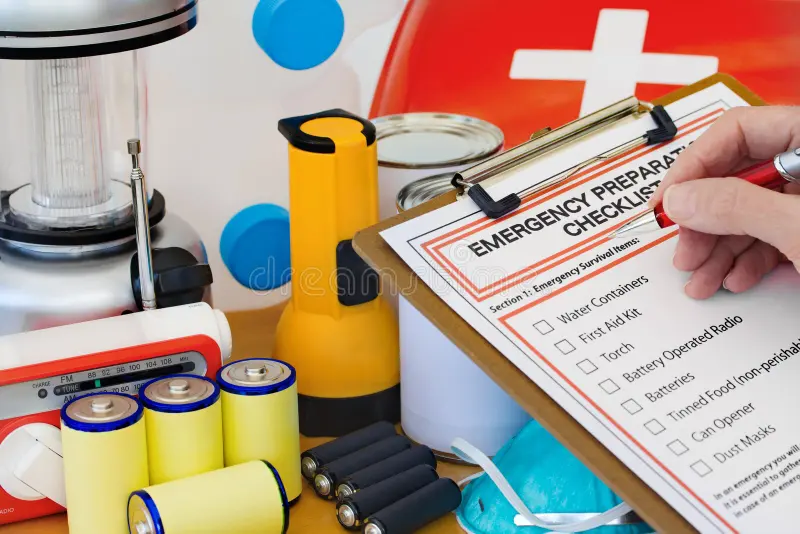
Emergencies can happen unexpectedly, from natural disasters like storms and floods to sudden health crises. For seniors, these situations can be particularly challenging because age-related mobility limitations, chronic conditions, and reliance on medications make quick responses more difficult. Being prepared is not just about survival; it is about maintaining independence, peace of mind, and ensuring that seniors can navigate these situations safely and effectively. Understanding the essential aspects of emergency preparedness allows older adults to take proactive steps and face uncertain situations with confidence.
Understanding the Importance of Emergency Preparedness for Seniors
As we age, certain physical and cognitive changes can make it harder to respond quickly in emergencies. Reduced mobility, slower reaction times, and conditions such as arthritis, heart disease, or diabetes increase vulnerability. In addition, seniors may rely on medical equipment, prescription medications, or assistive devices that need special attention during crises. Preparedness ensures that these critical needs are accounted for, reducing the risk of harm and preventing unnecessary stress. Seniors who actively plan for emergencies can maintain control over their circumstances and safeguard both their health and independence.
Creating a Comprehensive Emergency Plan
A well-thought-out emergency plan is a cornerstone of safety for seniors. This plan should address potential scenarios that could occur in the home or local area, such as power outages, extreme weather, or medical emergencies. Seniors should know escape routes from their homes, understand how to safely access local shelters, and identify trusted contacts who can provide assistance if needed. It is also important to consider mobility or health limitations when crafting the plan, ensuring that every step is realistic and manageable. Communicating this plan to family members, neighbors, or caregivers adds an additional layer of safety, so that help can be mobilized quickly when required.
Preparing for Health and Medical Needs
Medical readiness is an essential component of emergency preparedness for seniors. Many older adults rely on daily medications, medical devices, or specialized care routines, and interruptions in these can have serious consequences. Keeping an adequate supply of medications, along with clear instructions for use, is critical. Seniors should also maintain an up-to-date list of medical conditions, allergies, and emergency contacts, as this information can be invaluable to responders. Regularly reviewing medications with healthcare providers ensures that dosages and treatments remain appropriate, and having backup arrangements for power-dependent medical devices can prevent complications during outages or other disruptions.
Home Safety and Environmental Preparedness
Seniors should assess their living environment to reduce risks during emergencies. Simple modifications, such as ensuring easy access to exits, keeping pathways clear, and maintaining functional smoke detectors, can make a significant difference in safety. Additionally, having accessible tools for communication, such as telephones, radios, or alert systems, ensures that help can be reached quickly if necessary. Preparing the home environment also includes anticipating challenges that might arise during extreme weather conditions, ensuring that heating, cooling, and water supply are reliable, and that essential items are within reach. These proactive measures create a secure and manageable environment for seniors when emergencies occur.
Staying Informed and Connected
Knowledge is a critical component of preparedness. Seniors benefit from staying informed about local weather alerts, emergency broadcasts, and community resources. Subscribing to community notification systems or using mobile alerts can provide real-time information and guidance during critical situations. Maintaining strong social connections is equally important, as neighbors, friends, and family can provide immediate assistance, offer transportation, or help coordinate care during emergencies. Staying connected ensures that seniors are not isolated and that they can access help promptly, reducing both risk and anxiety.
Planning for Daily Needs During Crises
During emergencies, routine needs such as nutrition, hydration, and hygiene can be disrupted. Seniors should consider how they will maintain these essentials under adverse conditions. Having non-perishable foods, easy-to-prepare meals, and sufficient water supply is crucial. Planning for personal hygiene, including sanitary supplies and comfort items, ensures dignity and health are preserved even during challenging times. Considering these daily needs in advance prevents unnecessary stress and allows seniors to focus on safety and decision-making during emergencies.
Emotional Preparedness and Mental Resilience
Emergencies can be psychologically challenging, and fear or anxiety can hinder decision-making. Seniors who cultivate emotional resilience are better equipped to handle stressful situations calmly and effectively. Mental preparedness involves visualizing potential scenarios, practicing emergency procedures, and maintaining a positive mindset. Engaging in relaxation techniques, mindfulness, or light physical activity can reduce stress and help maintain clarity during crises. Building mental resilience complements practical preparedness measures, creating a holistic approach to safety.
Community and Support Resources
Seniors do not need to prepare for emergencies alone. Community resources, such as local senior centers, healthcare facilities, and volunteer organizations, can provide guidance, equipment, and assistance during crises. Establishing relationships with these organizations ahead of time ensures that help is available when needed. Additionally, caregivers and family members can support the implementation of preparedness plans, from arranging transportation to assisting with supplies and communication. Leveraging these networks enhances safety and provides reassurance to seniors and their families alike.
FAQ: Emergency Preparedness for Seniors
How can seniors ensure they have enough medications during emergencies? Seniors should keep an extra supply of essential medications and regularly check expiration dates. Discussing emergency plans with healthcare providers ensures continuity of care.
What should seniors include in an emergency contact list? Emergency contacts should include family members, caregivers, neighbors, doctors, and local emergency services. Keeping this list visible and accessible is essential.
How can seniors stay informed during disasters? Subscribing to local alerts, using mobile notifications, and maintaining a battery-operated radio helps seniors receive real-time updates.
Is it necessary to practice emergency drills? Yes. Practicing drills helps seniors become familiar with evacuation routes, communication plans, and safety procedures, improving response during real emergencies.
What can seniors do if they live alone? Seniors living alone should establish a network of neighbors, family, and caregivers who can check in regularly and provide support during emergencies.
Conclusion
Emergency preparedness is a vital aspect of senior health and independence. By creating a comprehensive plan, addressing medical needs, preparing the home environment, staying informed, and fostering mental resilience, seniors can navigate crises safely and confidently. Engaging with community resources and maintaining social connections further strengthens preparedness, ensuring that support is available when needed. With careful planning and proactive strategies, older adults can protect themselves, maintain independence, and approach emergencies with confidence and peace of mind.