
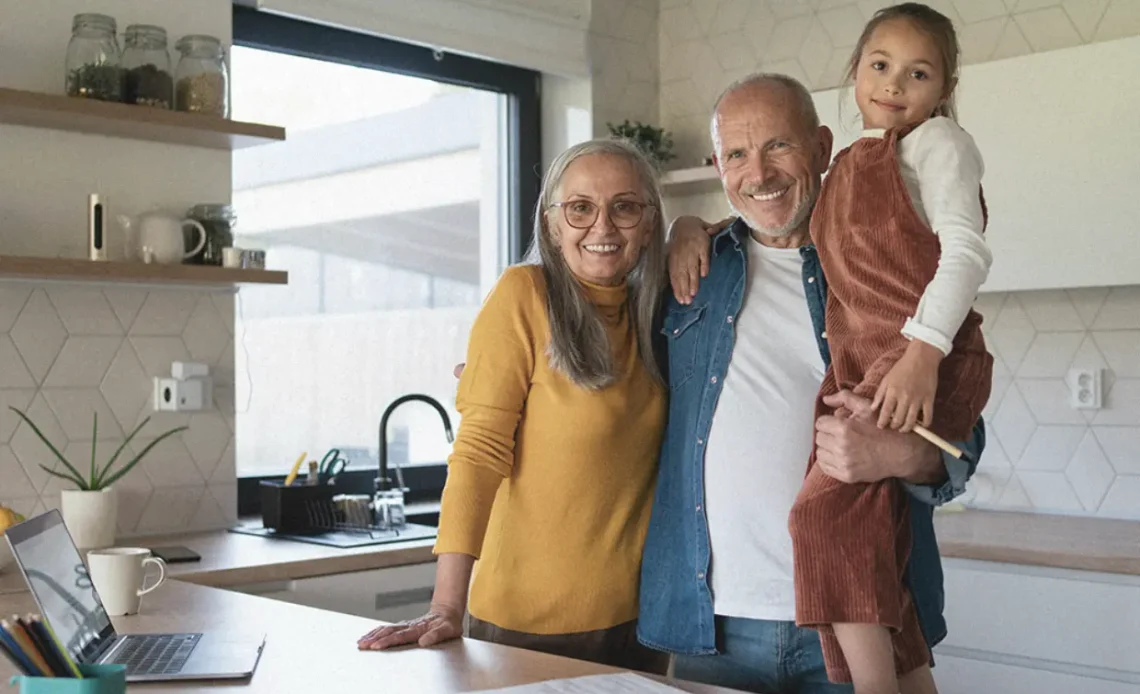
As we age, maintaining independence at home becomes a top priority. However, older adults face increased risks of falls, injuries, and discomfort due to changes in mobility, strength, and vision. Safe home modifications can enhance comfort, prevent accidents, and make daily living easier for seniors. By making thoughtful adjustments, older adults can continue to enjoy a safe, accessible, and comfortable home environment, promoting well-being and confidence in everyday activities.
Why Home Safety Is Essential for Seniors
Falls are a leading cause of injury among seniors, often resulting in fractures, hospitalizations, and loss of independence. In addition to physical hazards, homes that are not adapted for aging can create stress, inconvenience, and fatigue. Implementing safety-focused modifications reduces the risk of accidents, supports mobility, and allows seniors to live independently longer. Small changes in key areas of the home can make a significant difference in safety and quality of life.
Key Areas for Home Modifications
Several areas of the home are particularly important for senior safety and comfort. Focusing on these spaces can minimize risks and improve functionality.
1. Bathroom Safety
Bathrooms are one of the most common sites for falls. Modifications to consider include:
-
Installing grab bars near the toilet and shower for stability.
-
Using non-slip mats in the shower and on bathroom floors.
-
Replacing traditional bathtubs with walk-in showers or low-threshold tubs.
-
Adding a shower seat or bench to reduce fatigue during bathing.
-
Ensuring good lighting, especially around mirrors and walkways.
2. Kitchen Accessibility
The kitchen is central to daily living, but it can pose safety challenges for seniors:
-
Store frequently used items at waist or eye level to minimize bending or reaching.
-
Use appliances with easy-to-read displays and simple controls.
-
Install slip-resistant flooring to reduce the risk of falls.
-
Consider lever-style faucets and touchless water taps for ease of use.
-
Ensure adequate lighting, including task lighting for countertops and cooking areas.
3. Stair and Hallway Safety
Stairs and narrow hallways are common hazards:
-
Install sturdy handrails on both sides of staircases.
-
Add non-slip treads or stair carpeting to prevent slips.
-
Keep hallways and stairways clutter-free.
-
Ensure proper lighting, including motion-activated lights for nighttime safety.
-
Consider stair lifts or ramps if mobility is significantly limited.
4. Bedroom Comfort and Safety
Bedrooms should promote rest while minimizing fall risks:
-
Place a sturdy nightstand within reach of the bed for essential items.
-
Ensure beds are at a comfortable height for easy getting in and out.
-
Keep pathways to the bathroom clear and well-lit.
-
Consider adjustable beds or chairs for additional comfort and support.
5. General Living Area Modifications
Everyday living spaces should be designed for safety and convenience:
-
Remove loose rugs or secure them with non-slip backing.
-
Arrange furniture to allow wide, unobstructed pathways.
-
Ensure electrical cords are safely tucked away.
-
Use chairs with armrests for support when sitting or standing.
-
Install easy-to-reach light switches and outlets, possibly with smart or motion-sensor controls.
Additional Home Safety Tips for Seniors
Beyond structural modifications, simple habits and tools can further enhance safety:
-
Keep a phone or emergency alert system within reach in every room.
-
Install smoke and carbon monoxide detectors, checking them regularly.
-
Maintain a routine for home maintenance to avoid hazards like leaky floors or loose tiles.
-
Encourage regular exercise to maintain strength, balance, and flexibility.
-
Educate family members or caregivers about safety practices and emergency procedures.
Benefits of Home Modifications
Investing in safe home modifications provides numerous advantages:
-
Reduces the risk of falls and injuries.
-
Promotes independence and self-confidence.
-
Enhances comfort and convenience in daily activities.
-
Supports long-term health by enabling seniors to stay active and mobile.
-
Offers peace of mind to both seniors and family members.
FAQ: Home Safety for Seniors
Do home modifications require professional help?
Some modifications, like installing grab bars or stair lifts, may require professional installation, while others, like rearranging furniture or adding lighting, can be done independently.
Are home modifications expensive?
Costs vary depending on the changes. Simple adjustments like removing rugs or adding non-slip mats are low-cost, while stair lifts or bathroom remodels may require more investment.
Can home modifications prevent falls completely?
While no modification guarantees complete prevention, they significantly reduce risk and make homes safer for seniors.
How do I prioritize which modifications to make first?
Focus on high-risk areas like bathrooms, stairs, and pathways, then expand to other areas for comfort and accessibility.
Are there resources to help fund home modifications for seniors?
Yes. Some government programs, insurance plans, and nonprofit organizations offer financial assistance or grants for senior home safety improvements.
Conclusion
Safe home modifications are essential for seniors to maintain independence, comfort, and well-being. By addressing key areas such as bathrooms, kitchens, stairways, bedrooms, and living spaces, older adults can significantly reduce the risk of accidents while enhancing daily convenience. Combined with practical habits and supportive tools, these modifications empower seniors to live safely and confidently in their own homes. Investing in a senior-friendly home ensures both physical safety and peace of mind, fostering a healthier, happier, and more fulfilling lifestyle.