
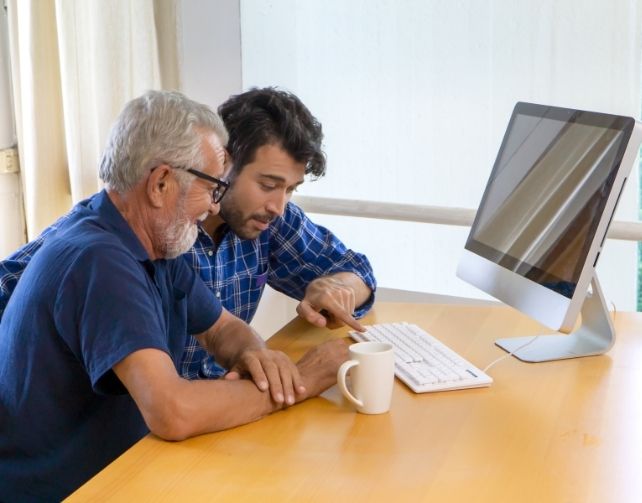
As we age, maintaining independence while ensuring safety becomes a top priority for many seniors and their families. Fortunately, technology has evolved to offer solutions that can help older adults live more securely, comfortably, and confidently at home. From smart devices to wearable technology, modern innovations are designed to support seniors’ daily lives, providing peace of mind and promoting independence. In this article, we explore practical ways technology can help seniors stay safe and independent, providing guidance for families, caregivers, and seniors themselves.
Smart Home Devices for Enhanced Safety
Smart home technology has revolutionized how seniors can manage their environment safely. Devices such as smart lighting, automated thermostats, and connected security systems make homes more accessible and reduce the risk of accidents.
Smart lighting, for instance, can automatically turn on lights when someone enters a room or detects movement in hallways at night. This prevents falls, which are a common concern for seniors. Similarly, smart thermostats allow seniors to maintain a comfortable temperature without needing to manually adjust controls, which can reduce the risk of hypothermia or overheating.
Connected security systems, including doorbell cameras and motion sensors, provide real-time monitoring and alerts. These systems help seniors feel secure and give family members peace of mind, knowing that any unusual activity will be promptly reported. Overall, smart home devices create an environment that is safer, more convenient, and supportive of independent living.
Wearable Technology for Health Monitoring
Wearable devices, such as smartwatches and medical alert bracelets, are invaluable tools for seniors who want to stay independent while monitoring their health. These devices track vital signs, detect falls, and can even alert emergency contacts if a health issue arises.
For example, wearable heart rate monitors help seniors keep track of their cardiovascular health, while blood pressure monitoring devices provide daily insights into potential risks. Fall detection technology, integrated into some wearables, automatically contacts emergency services if a sudden fall occurs, ensuring timely assistance even if the senior is alone.
Beyond emergencies, wearable technology encourages seniors to stay active and maintain a healthy lifestyle. Fitness trackers can monitor steps, sleep patterns, and physical activity, helping seniors manage their overall well-being. By combining safety and health monitoring, wearable devices empower seniors to live independently with confidence.
Mobile Apps for Medication and Routine Management
For many seniors, managing medications, appointments, and daily routines can be challenging. Mobile applications designed for seniors simplify these tasks, reducing the risk of missed doses or forgotten appointments.
Medication reminder apps provide alerts for each dose, track medication adherence, and even send notifications to family members or caregivers. Some apps also offer drug interaction warnings, ensuring seniors take their medications safely.
Additionally, scheduling apps help seniors organize their daily routines, from medical appointments to grocery trips. Voice-activated assistants like Alexa or Google Assistant can also integrate with these apps, providing hands-free reminders and simplifying daily tasks. By helping seniors manage their responsibilities, mobile apps contribute to both safety and independence.
Telehealth Services for Convenient Medical Care
Telehealth has become a vital resource for seniors, especially those with limited mobility or chronic health conditions. Virtual consultations with healthcare professionals reduce the need for travel and minimize exposure to contagious illnesses.
Through telehealth platforms, seniors can receive medical advice, monitor ongoing conditions, and even access mental health support from the comfort of their homes. Many telehealth services integrate with wearable devices and mobile apps, allowing doctors to remotely track vital signs and adjust treatment plans as needed.
Telehealth also empowers seniors to take a more active role in their health care. With easy access to medical professionals, seniors can address health concerns promptly, reducing hospital visits and promoting proactive care. This approach not only enhances safety but also fosters independence and confidence in managing one’s health.
Emergency Preparedness Through Technology
Emergencies, whether medical or environmental, can pose serious risks for seniors. Technology helps seniors prepare for unexpected situations by providing tools for communication and rapid response.
Emergency alert systems, which can be worn as pendants or wristbands, allow seniors to quickly call for help at the push of a button. Some devices also include GPS tracking, which is particularly useful for seniors with dementia or Alzheimer’s who may wander or get lost.
Mobile apps can provide alerts about severe weather, local hazards, or community safety updates, keeping seniors informed and ready to act. By integrating technology into emergency preparedness, seniors gain peace of mind and maintain autonomy even in challenging situations.
Social Connectivity for Mental and Emotional Well-Being
Staying socially connected is a critical aspect of senior health. Isolation and loneliness can significantly impact mental and emotional well-being, but technology offers solutions to bridge these gaps.
Video calling apps such as Zoom, FaceTime, and WhatsApp enable seniors to stay in touch with family and friends, fostering meaningful relationships even from a distance. Social platforms designed for older adults provide community engagement, shared hobbies, and support networks that enhance quality of life.
Additionally, virtual group activities, online classes, and interactive games help seniors stay mentally active, reducing the risk of cognitive decline. By leveraging technology for social connection, seniors can enjoy a sense of belonging while maintaining independence.
Frequently Asked Questions (FAQs)
Q1: What is the best wearable device for senior safety?
A: The best wearable device depends on individual needs. Devices with fall detection, heart rate monitoring, and emergency alert features, such as Apple Watch, Medical Guardian, or Bay Alarm Medical bracelets, are highly recommended for seniors seeking comprehensive safety monitoring.
Q2: Can seniors easily use smart home devices?
A: Yes, most smart home devices are designed with user-friendly interfaces. Voice-activated assistants and simplified smartphone apps make it easy for seniors to control lighting, thermostats, and security systems without technical difficulties.
Q3: Are telehealth services safe and reliable for seniors?
A: Absolutely. Telehealth platforms follow strict medical regulations and privacy standards. They allow seniors to consult licensed healthcare providers remotely, making healthcare convenient and safe while reducing exposure to in-person risks.
Q4: How can technology help seniors living alone feel safer?
A: Technology can provide continuous monitoring through wearable devices, smart home systems, and mobile apps. Alerts and emergency notifications ensure that help is available immediately if a senior encounters a problem, enhancing confidence and security.
Q5: Does using technology reduce the independence of seniors?
A: On the contrary, technology enhances independence by allowing seniors to manage their health, safety, and daily routines without relying heavily on others. It provides support while enabling autonomy and self-sufficiency.
Conclusion
Technology is transforming the way seniors live, offering innovative tools that promote safety, health, and independence. From smart home devices and wearable technology to telehealth services and mobile apps, modern solutions empower seniors to live confidently and securely in their own homes. By embracing technology, seniors can maintain autonomy, reduce risks, and stay connected with loved ones, all while enjoying a higher quality of life. Families and caregivers also benefit from peace of mind, knowing that their loved ones are supported by reliable, user-friendly technology. Ultimately, the thoughtful integration of technology into daily life ensures that seniors can age with dignity, independence, and safety.