
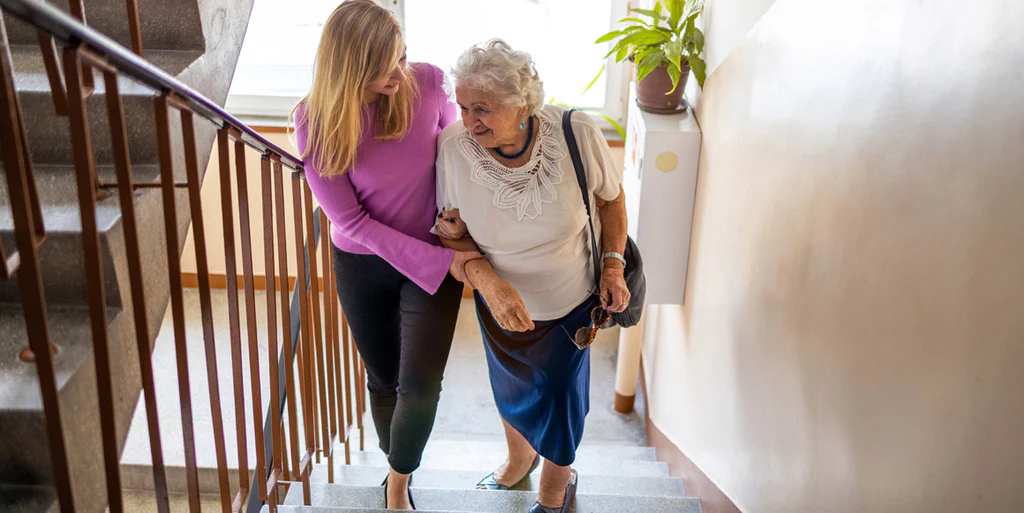
Falls are one of the most common causes of injury among seniors, often leading to fractures, hospitalizations, and reduced independence. As we age, changes in balance, muscle strength, vision, and reaction time increase the risk of falling. However, many falls are preventable through proactive safety measures, home modifications, and lifestyle adjustments. By implementing practical strategies, seniors can maintain their independence, reduce injury risks, and enjoy a safer, more confident daily life.
Why Fall Prevention Is Important for Seniors
Falls are not just physical incidents—they can have emotional and social consequences. A single fall can cause fear, anxiety, and a reduced willingness to stay active, which in turn can lead to muscle weakness, balance issues, and further fall risks. Preventing falls is essential for maintaining physical health, mobility, and overall quality of life. Proactive measures can significantly reduce the likelihood of injuries and promote long-term well-being.
Assessing Risk Factors for Falls
Several factors contribute to falls in older adults:
-
Physical changes: Reduced muscle strength, joint stiffness, and slower reflexes affect balance.
-
Health conditions: Vision impairment, diabetes, cardiovascular issues, and neuropathy can increase fall risk.
-
Medications: Some medications can cause dizziness, drowsiness, or low blood pressure.
-
Environmental hazards: Clutter, loose rugs, poor lighting, and slippery surfaces create unsafe conditions at home.
Identifying these risk factors is the first step toward effective fall prevention.
Home Modifications to Reduce Fall Risk
Making the home environment safer is one of the most effective ways to prevent falls.
1. Improve Lighting
Proper lighting helps seniors see obstacles and navigate safely. Use bright, even lighting in hallways, staircases, bathrooms, and kitchens. Motion-sensor night lights are helpful for nighttime trips to the bathroom or kitchen.
2. Remove Clutter and Tripping Hazards
Clear walkways of furniture, loose rugs, electrical cords, and other obstacles. Organize frequently used items so they are within easy reach to avoid bending or stretching that may lead to falls.
3. Install Grab Bars and Handrails
Bathrooms, staircases, and hallways are common areas for falls. Installing sturdy handrails on stairs and grab bars near toilets and showers provides stability and support. Consider adding non-slip treads on stairs for additional safety.
4. Use Non-Slip Surfaces
Place non-slip mats in bathrooms, kitchens, and other slippery areas. Ensure that rugs have secure backing or remove them altogether. Non-slip footwear indoors also helps prevent slips.
5. Consider Mobility Aids
If mobility is limited, using canes, walkers, or other assistive devices can significantly reduce fall risk. Seniors should consult healthcare providers to choose the most appropriate support for their needs.
Lifestyle Strategies to Prevent Falls
Beyond home modifications, lifestyle habits play a key role in fall prevention.
1. Maintain Physical Strength and Balance
Regular exercise strengthens muscles, improves balance, and enhances coordination. Seniors can benefit from walking, resistance training, yoga, or Tai Chi, which specifically improves stability and reduces fall risk.
2. Regular Vision and Hearing Checks
Poor vision and hearing impair coordination and spatial awareness. Seniors should have regular eye and hearing exams and update corrective lenses or hearing aids as needed.
3. Monitor Medications
Some medications can cause dizziness or drowsiness. Seniors should review prescriptions with their healthcare providers and report any side effects that may affect balance.
4. Stay Hydrated and Eat Well
Dehydration and poor nutrition can contribute to weakness and dizziness. A balanced diet rich in protein, vitamins, and minerals, along with adequate water intake, supports muscle strength and overall health.
5. Develop a Safe Routine
Establishing routines for getting up, walking, and performing daily tasks reduces sudden movements that may lead to falls. Seniors should take their time when transitioning from sitting to standing and use support when necessary.
Emergency Preparedness
Even with precautions, falls may still occur. Seniors should have emergency measures in place:
-
Keep a phone within reach in every room.
-
Consider medical alert devices or wearable emergency buttons.
-
Inform family members or caregivers about safety plans.
-
Keep a basic first aid kit easily accessible.
FAQ: Preventing Falls for Seniors
What are the most common causes of falls in seniors?
Slips, trips, balance issues, poor lighting, and environmental hazards are leading causes. Health conditions and medications also play a role.
Can exercise really prevent falls?
Yes. Strength, balance, and flexibility exercises reduce fall risk by improving coordination and muscle function.
Are grab bars necessary in every bathroom?
While not mandatory, grab bars significantly increase safety, especially near showers, tubs, and toilets.
How can seniors make their homes safer without major renovations?
Simple adjustments like removing clutter, improving lighting, adding non-slip mats, and using assistive devices can greatly reduce fall risk.
When should a senior seek professional help for fall prevention?
If a senior has experienced multiple falls, shows signs of balance issues, or has conditions affecting mobility, consulting a healthcare provider or occupational therapist is recommended.
Conclusion
Preventing falls is crucial for seniors to maintain independence, mobility, and overall health. By combining home modifications—such as improved lighting, grab bars, non-slip surfaces, and mobility aids—with lifestyle strategies like exercise, proper nutrition, and regular health checkups, older adults can greatly reduce fall risk. Creating a safe environment and adopting proactive habits empowers seniors to live confidently, comfortably, and securely in their own homes, ensuring a higher quality of life and peace of mind for both seniors and their families.