
Fire safety is a critical concern for everyone, but seniors are particularly vulnerable. As we age, mobility challenges, slower reaction times, and health conditions can make it more difficult to respond quickly in emergencies. However, with proper planning, precautions, and awareness, seniors can significantly reduce the risk of fires and protect themselves from harm. In this article, we explore essential fire safety tips that every senior should know, helping them maintain independence while staying safe at home.
Install and Maintain Smoke Alarms
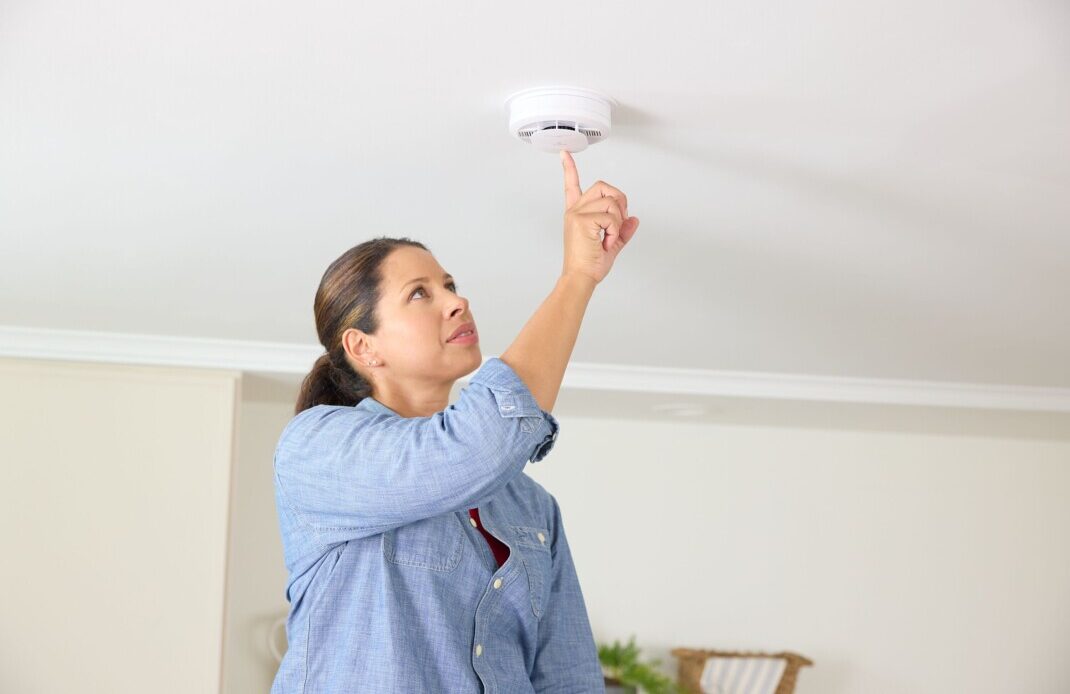
The first and most crucial step in fire safety is installing working smoke alarms throughout the home. Smoke alarms provide early warnings, giving seniors valuable time to evacuate safely.
Seniors should ensure that alarms are installed in key areas, including bedrooms, hallways, kitchens, and living rooms. Testing smoke alarms monthly and replacing batteries at least once a year is essential for reliability. Some modern smoke alarms come with voice alerts, larger buttons, or flashing lights, which are particularly helpful for seniors with hearing or vision challenges.
By maintaining functional smoke alarms, seniors can significantly reduce the risk of injury or fatalities during a fire.
Keep Fire Extinguishers Accessible
Having fire extinguishers readily available in the home is an important preventive measure. Seniors should place extinguishers in areas where fires are most likely to occur, such as the kitchen, garage, or near heating equipment.
It is equally important to know how to use a fire extinguisher safely. The PASS method—Pull, Aim, Squeeze, Sweep—is an easy way to remember the steps. Seniors should consider asking a family member or caregiver to provide a brief demonstration if needed. Regularly checking that extinguishers are charged and in working order ensures they are ready when required.
Accessible fire extinguishers empower seniors to act quickly, potentially preventing small fires from becoming life-threatening.
Practice Safe Cooking Habits
Cooking is one of the leading causes of household fires, making safe kitchen practices essential for seniors. Never leave cooking unattended, and always keep flammable items, such as dish towels or paper, away from stovetops.
Using appliances with automatic shut-off features, such as kettles, toasters, or slow cookers, reduces the risk of accidents. Seniors should also wear short or fitted clothing while cooking to avoid accidental ignition. Keeping a fire extinguisher or fire blanket in the kitchen ensures that any small flare-ups can be contained quickly.
By adopting safe cooking habits, seniors can enjoy preparing meals while minimizing fire hazards.
Plan and Practice an Escape Route
In the event of a fire, knowing how to exit the home safely is crucial. Seniors should create a clear escape plan, identifying at least two exits from each room and ensuring that hallways and doors remain unobstructed.
Practicing evacuation drills helps seniors react calmly and efficiently during a real emergency. It is also wise to have a designated meeting place outside the home, so family members and caregivers know that everyone is safe. Seniors with mobility challenges may benefit from stair rails, ramps, or evacuation chairs to assist in leaving the house quickly.
Having a well-thought-out escape plan increases confidence and preparedness, which can save lives.
Use Electrical Devices Safely
Electrical fires are another common risk in homes. Seniors should regularly inspect cords, plugs, and outlets for signs of wear, fraying, or overheating. Avoid overloading outlets or using extension cords as a permanent solution.
Appliances should be turned off when not in use, and space heaters should be placed at least three feet away from flammable materials. Some modern devices come with automatic shut-off features in case of overheating, which can further reduce risks.
By practicing electrical safety, seniors can prevent one of the most frequent causes of household fires.
Avoid Smoking Indoors
For seniors who smoke, it is safest to do so outdoors. Smoking indoors significantly increases the risk of fires, especially if cigarettes are not properly extinguished.
Using deep, sturdy ashtrays and ensuring cigarettes are completely out before disposing of them are crucial steps. Seniors with mobility limitations or reduced dexterity may consider nicotine alternatives, such as patches or gum, to reduce fire risk while maintaining safety.
Eliminating indoor smoking hazards is a simple yet effective measure to protect seniors from fire-related accidents.
Keep Emergency Contacts Handy
In case of a fire, having emergency numbers easily accessible can save precious time. Seniors should keep a list of contacts, including the fire department, neighbors, family members, and caregivers, near the phone or on a visible surface.
For those using mobile phones, programming emergency numbers for one-touch dialing ensures quick access in urgent situations. Some seniors may also benefit from wearable alert devices that can notify caregivers or emergency services if help is needed.
Quick access to emergency contacts improves response time and increases safety during fire emergencies.
Frequently Asked Questions (FAQs)
Q1: How often should smoke alarms be tested?
A: Smoke alarms should be tested at least once a month. Batteries should be replaced yearly, or as soon as the low-battery warning sounds.
Q2: What is the safest way to evacuate if I have mobility issues?
A: Seniors with mobility challenges should have a clear evacuation plan, possibly including ramps, handrails, or evacuation chairs. Practicing the route regularly ensures preparedness.
Q3: Can I use a fire extinguisher if I’m alone?
A: Yes, if the fire is small and manageable. Always ensure there is a clear escape path before attempting to use an extinguisher, and never take unnecessary risks.
Q4: What should I do if I can’t get out of my home during a fire?
A: Close doors to contain smoke and fire, signal for help from a window, and call emergency services. Place a wet cloth under the door to reduce smoke inhalation.
Q5: Are there fire safety resources specifically for seniors?
A: Yes. Many local fire departments and senior organizations offer fire safety workshops, free smoke alarms, and educational materials designed for older adults.
Conclusion
Fire safety is an essential part of maintaining independence and well-being for seniors. By installing and maintaining smoke alarms, using fire extinguishers, practicing safe cooking, planning escape routes, ensuring electrical safety, avoiding indoor smoking, and keeping emergency contacts handy, seniors can reduce risks and respond effectively during emergencies.
A proactive approach to fire safety not only protects physical health but also provides peace of mind for seniors and their families. By adopting these practical tips, older adults can enjoy greater confidence in their home environment, maintaining independence while staying safe from fire hazards.