
Falls are a leading cause of injury among older adults, often resulting in fractures, reduced mobility, and loss of independence. As we age, factors like decreased muscle strength, reduced flexibility, and changes in vision or inner ear function can compromise balance. Fortunately, there are practical strategies and exercises that can significantly improve stability and prevent falls. By understanding the risk factors and incorporating balance-focused routines, older adults can maintain confidence, mobility, and overall health.
Why Balance Declines with Age
Balance is a complex process involving the coordination of muscles, nerves, vision, and the inner ear. As we age, several physiological changes can affect this system. Muscle mass decreases, reflexes slow, and joints may become stiffer. Vision and depth perception may also decline, and medications or chronic conditions can contribute to dizziness or unsteadiness. Recognizing these changes helps older adults adopt proactive measures to protect themselves and maintain independence.
Simple Exercises to Improve Balance
Incorporating balance exercises into daily routines can enhance stability, strengthen muscles, and reduce the risk of falls. Here are some effective exercises suitable for older adults:
1. Heel-to-Toe Walk
The heel-to-toe walk strengthens lower body muscles and improves coordination. Walk in a straight line, placing the heel of one foot directly in front of the toes of the other foot. Focus on maintaining a steady pace and posture. Perform this exercise for 10–15 steps daily to enhance stability.
2. Standing on One Foot
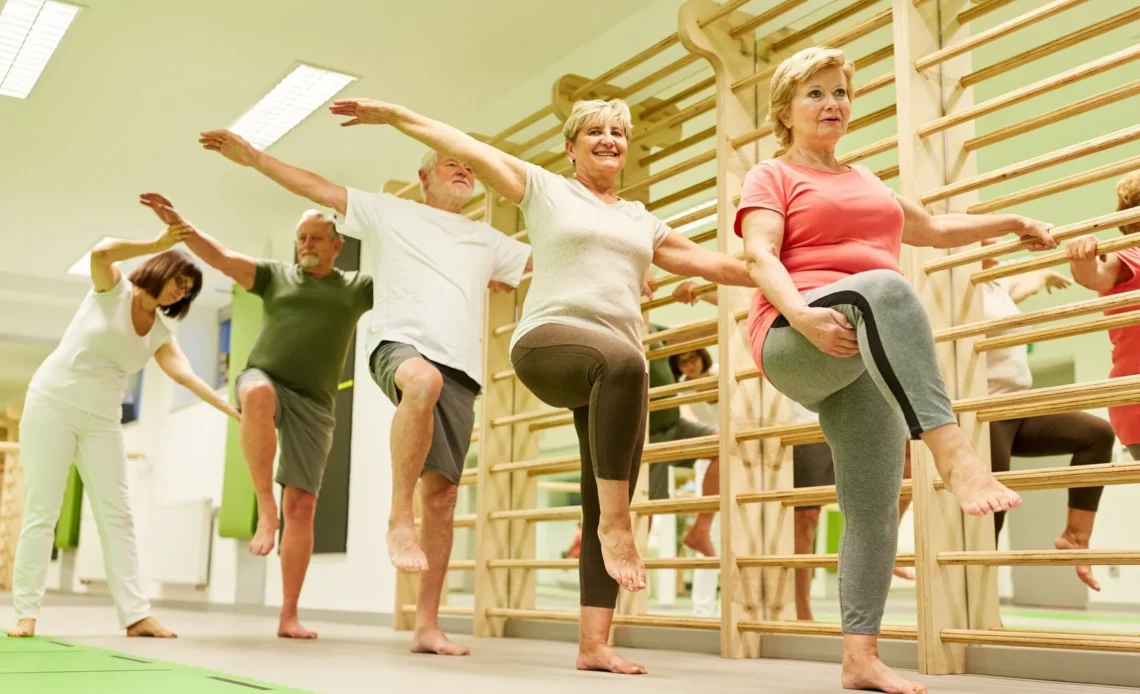
Standing on one foot helps improve balance and strengthen leg muscles. Hold onto a chair or countertop for support if needed. Aim to balance for 10–20 seconds on each foot, gradually increasing duration as strength improves. This simple exercise can be repeated multiple times throughout the day.
3. Side Leg Raises
Side leg raises strengthen the hip and thigh muscles, which play a key role in maintaining balance. Stand behind a chair, lift one leg to the side without bending the knee, and hold for a few seconds before lowering it slowly. Repeat 10–15 times for each leg. Strong hip muscles reduce the likelihood of falls during daily movements.
4. Heel Raises
Heel raises improve ankle strength and stability. While holding onto a chair, slowly rise onto your toes and hold for a few seconds before lowering back down. Repeat 10–15 times. This exercise strengthens the lower legs and enhances overall balance.
5. Tai Chi
Tai Chi is a low-impact exercise that combines gentle movements with mindfulness and deep breathing. Practicing Tai Chi improves flexibility, muscle strength, and balance, while also reducing stress. Many community centers offer Tai Chi classes for older adults, or beginners can follow online instructional videos.
Additional Strategies to Prevent Falls
Beyond exercises, several lifestyle adjustments and safety measures can reduce fall risk:
1. Home Safety Modifications
Removing tripping hazards, such as loose rugs, electrical cords, or cluttered walkways, is essential. Ensure adequate lighting throughout the home, especially in hallways and staircases. Installing grab bars in bathrooms and using non-slip mats can further prevent accidents.
2. Regular Eye and Ear Check-Ups
Vision and inner ear function are crucial for balance. Regular eye exams and hearing checks can identify issues early. Corrective measures, such as updated glasses or hearing aids, can significantly enhance stability and spatial awareness.
3. Proper Footwear
Wearing supportive, well-fitted shoes with non-slip soles is important for maintaining balance. Avoid high heels, flip-flops, or shoes that do not provide adequate support, as they increase the risk of tripping or slipping.
4. Maintain Muscle Strength and Flexibility
Engaging in strength training and stretching exercises complements balance routines. Resistance exercises, light weight lifting, or using resistance bands can strengthen core and leg muscles, while stretching improves flexibility and range of motion.
5. Stay Hydrated and Eat Well
Dehydration and poor nutrition can cause dizziness, weakness, and fatigue, increasing the risk of falls. Seniors should maintain a balanced diet rich in protein, vitamins, and minerals, and drink sufficient water throughout the day.
Recognizing When to Seek Professional Help
Despite preventive measures, some older adults may still experience balance issues. If frequent dizziness, unsteadiness, or falls occur, it is essential to consult a healthcare professional. Physical therapists can design personalized balance and strength programs, while doctors can assess underlying conditions or review medications that may affect stability.
FAQ: Improving Balance and Preventing Falls
Can balance exercises be done at home?
Yes. Many exercises like heel-to-toe walking, standing on one foot, and side leg raises can be safely performed at home with minimal equipment.
How often should older adults practice balance exercises?
Aim for 15–20 minutes daily or at least 3–4 times per week, depending on individual fitness and health conditions.
Are there low-impact options for seniors with joint pain?
Yes. Water aerobics, seated exercises, and Tai Chi are gentle on joints while effectively improving balance.
Can strengthening the core improve balance?
Absolutely. Core muscles stabilize the body and prevent falls. Exercises like seated twists or gentle abdominal strengthening are beneficial.
Is it too late to start improving balance in older age?
Never. Even seniors who have experienced falls can improve balance and reduce future risks with consistent exercise and safety measures.
Conclusion
Maintaining balance and preventing falls is critical for older adults to stay independent and healthy. Simple exercises such as heel-to-toe walking, standing on one foot, and side leg raises, combined with strength training, Tai Chi, and stretching, can significantly enhance stability. In addition, lifestyle adjustments like proper footwear, home safety modifications, regular health check-ups, and hydration play a key role in fall prevention. By integrating these practices into daily routines, older adults can improve confidence, mobility, and overall quality of life, reducing the risk of injuries and maintaining independence for years to come.