
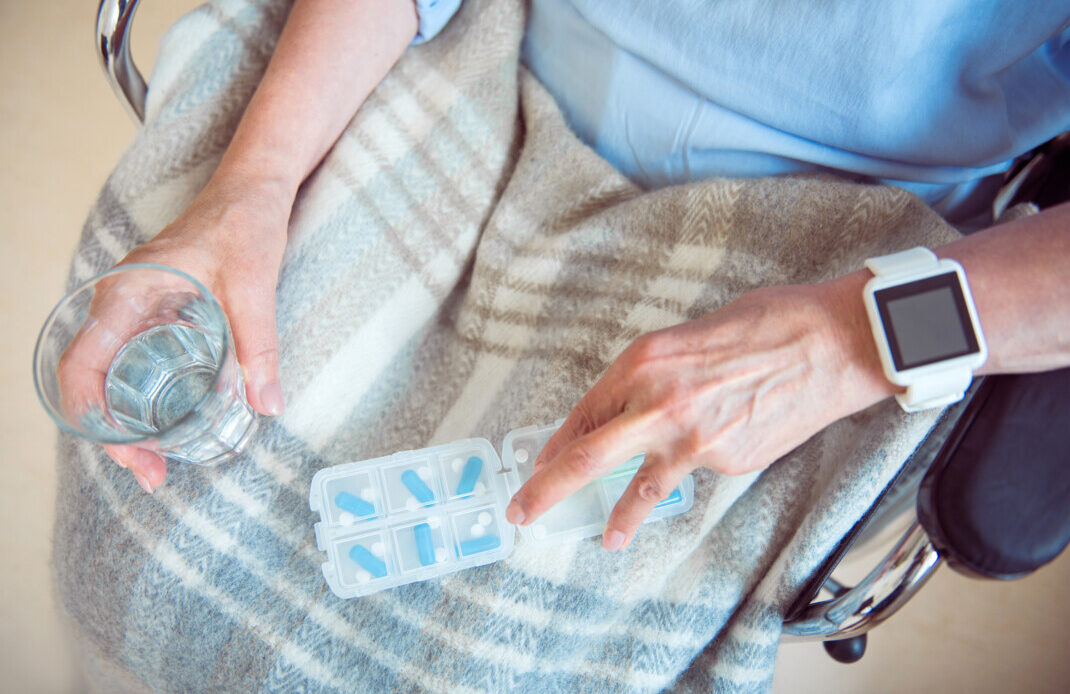
Technology has transformed the way we live, and for seniors, wearable gadgets offer an exciting opportunity to enhance health, safety, and independence. From monitoring vital signs to providing emergency alerts, wearable devices can make everyday life safer and more manageable. With 2025 bringing smarter, more accessible devices, seniors now have more options than ever to stay active, informed, and connected. In this article, we explore the top wearable tech gadgets designed specifically for seniors, focusing on health, safety, and usability.
Understanding the Benefits of Wearable Technology for Seniors
Wearable technology isn’t just for fitness enthusiasts or tech-savvy individuals. For seniors, these devices serve multiple purposes. They can monitor heart rate, blood pressure, and sleep patterns, track physical activity, and detect falls or unusual health events. Some devices provide reminders for medications or hydration, while others can alert emergency contacts if a problem arises. The real advantage lies in combining convenience with proactive health management, giving seniors and their families peace of mind. By choosing the right gadgets, seniors can maintain independence while staying connected to caregivers and medical professionals.
Apple Watch Series 9
The Apple Watch Series 9 stands out for its combination of health monitoring and safety features. It offers heart rate tracking, blood oxygen measurement, and sleep analysis, providing seniors with valuable insights into their well-being. The device also features fall detection, which can automatically alert emergency contacts if the wearer experiences a hard fall. With a simple, intuitive interface and customizable settings, seniors can easily navigate its features. Additionally, the Apple Watch Series 9 integrates seamlessly with iPhones, allowing notifications and calls to be received directly on the wrist, enhancing both convenience and safety.
Fitbit Sense 2
Fitbit Sense 2 is another excellent option for seniors looking to monitor their health actively. This wearable tracks heart rate, stress levels, skin temperature, and sleep quality, giving a comprehensive view of wellness. It also includes guided breathing exercises and activity tracking to encourage movement and relaxation throughout the day. The device’s easy-to-read display, lightweight design, and long battery life make it particularly suitable for older adults. By providing real-time feedback and insights, Fitbit Sense 2 helps seniors make informed decisions about their health and daily routines.
Garmin Vivosmart 6
Garmin Vivosmart 6 focuses on fitness and health monitoring, with a sleek design and user-friendly interface. It tracks steps, calories burned, sleep patterns, and heart rate while offering guided workouts suitable for seniors. The device also includes stress tracking and relaxation reminders to support mental well-being. Its water-resistant design ensures durability, and the discreet display allows seniors to access information quickly. Garmin’s emphasis on combining fitness tracking with overall wellness makes the Vivosmart 6 a practical choice for seniors who want to stay active while keeping an eye on key health metrics.
Medical Alert Smartwatches
Several companies now offer medical alert smartwatches designed specifically for seniors. These devices go beyond typical fitness tracking by providing features like fall detection, GPS tracking, and direct emergency call buttons. In the event of a medical emergency, the device can immediately contact family members or emergency services, ensuring timely assistance. Many of these watches also monitor heart rate and activity levels, combining health tracking with life-saving safety features. For seniors living alone or with chronic health conditions, a medical alert smartwatch offers peace of mind and a higher degree of independence.
Oura Ring Gen 3
For seniors who prefer something less conspicuous than a wrist-worn device, the Oura Ring Gen 3 offers a sleek, ring-style wearable that monitors health metrics without drawing attention. It tracks heart rate, sleep patterns, body temperature, and activity levels, providing a comprehensive view of overall wellness. The ring’s unobtrusive design is ideal for seniors who may feel self-conscious wearing larger devices. Its long battery life and ease of use make it a convenient tool for continuous health monitoring. With the Oura Ring, seniors can stay informed about their health in a subtle, stylish way.
How Wearables Support Daily Life
These wearable devices are more than gadgets; they are tools that empower seniors to live independently. By providing real-time insights into health and safety, wearables help detect potential issues early, encourage physical activity, and reduce the risk of accidents. They also enable seniors to maintain social connections, as many devices allow messaging, calls, and notifications. Regular use of wearable tech can increase confidence, reduce anxiety about health issues, and allow family members and caregivers to stay informed without being intrusive.
Tips for Choosing the Right Wearable
When selecting a wearable for seniors, it is important to consider ease of use, comfort, battery life, and the specific features that meet individual needs. Devices with large, clear displays, simple interfaces, and reliable alerts are preferable. Health monitoring features like heart rate, sleep tracking, and fall detection are highly beneficial, while connectivity with smartphones or caregivers enhances safety. Cost may also be a consideration, but investing in a reliable device can be invaluable for health management and peace of mind. Choosing a wearable that aligns with a senior’s lifestyle and comfort level ensures maximum benefits and consistent use.
Frequently Asked Questions (FAQs)
Q1: Are wearable devices difficult for seniors to use?
Most modern wearables are designed with user-friendly interfaces and intuitive controls. Starting with basic features and gradually exploring more advanced functions can help seniors feel comfortable.
Q2: Can wearable devices replace medical check-ups?
Wearables are useful for monitoring trends and providing early warnings but do not replace professional medical care. Regular check-ups remain essential.
Q3: How often should the device be charged?
Battery life varies depending on the device. Most wearables last from one to several days. Charging overnight is a common and convenient approach.
Q4: Are wearable devices safe for people with medical conditions?
Yes, but it is important to consult with a healthcare provider, especially if the device is used to monitor critical health conditions. Devices should complement professional advice, not replace it.
Q5: Can wearables detect falls accurately?
Many smartwatches and medical alert devices include fall detection technology. While not perfect, they are effective in notifying emergency contacts quickly in case of serious falls.
Conclusion
Wearable technology has become a vital tool for seniors who want to maintain health, safety, and independence. Devices like the Apple Watch Series 9, Fitbit Sense 2, Garmin Vivosmart 6, medical alert smartwatches, and the Oura Ring Gen 3 provide practical solutions to monitor health, stay active, and respond quickly in emergencies. By choosing wearable gadgets that are easy to use and tailored to their needs, seniors can enjoy peace of mind, improved well-being, and a greater sense of control over daily life. In 2025, wearable technology offers seniors an accessible way to embrace modern living safely and confidently.