


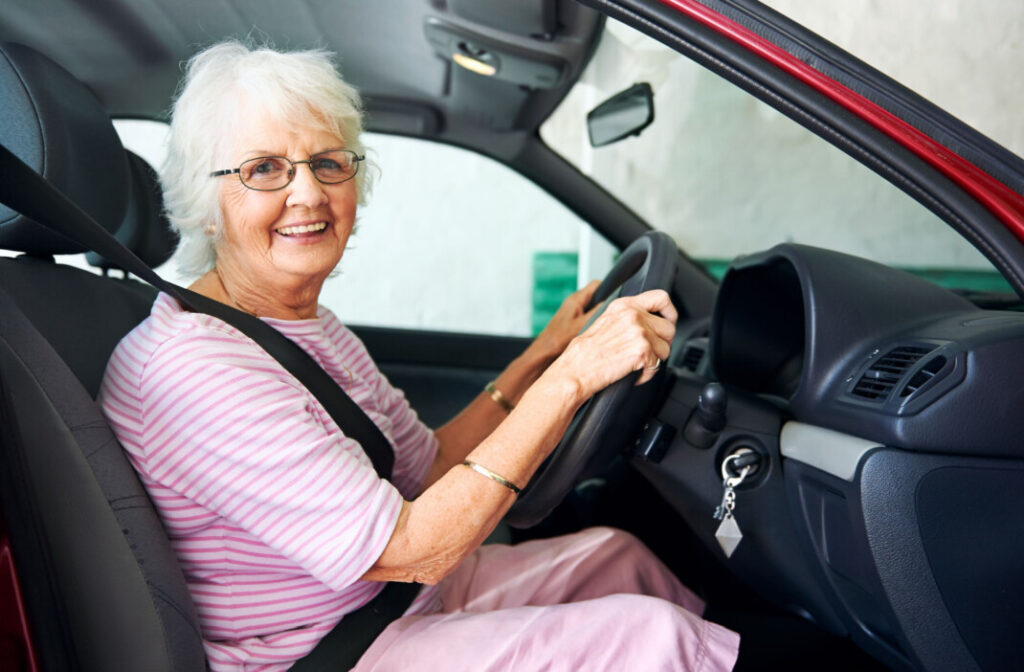
Driving is a symbol of independence for many seniors, but age-related changes in vision, reaction time, and physical mobility can affect driving safety. Staying confident behind the wheel requires proactive habits, self-awareness, and regular adjustments to driving routines. By adopting practical safety strategies, older adults can maintain independence while minimizing the risk of accidents. Safe driving not only protects the driver but also ensures the safety of passengers and other road users.
Why Safe Driving Matters for Seniors
As people age, natural changes such as slower reflexes, reduced peripheral vision, hearing loss, and stiffness can impact driving ability. Additionally, medications, chronic health conditions, and fatigue may further affect reaction times and decision-making. Practicing safe driving habits helps seniors maintain confidence, reduces accident risk, and prolongs the ability to drive independently for as long as possible.
Key Safe Driving Tips for Seniors
Implementing these practical strategies can help seniors drive safely and confidently.
1. Schedule Regular Vision and Hearing Checks
Good vision and hearing are essential for safe driving. Seniors should have annual eye exams and update corrective lenses as needed. Hearing tests ensure that warning signals, horns, and sirens are easily detected, which is crucial for situational awareness on the road.
2. Adjust Driving Habits to Comfort and Safety
Seniors should recognize their limits and adapt driving habits accordingly:
- Avoid driving at night if vision is limited.
- Reduce speed in heavy traffic or unfamiliar areas.
- Avoid rush hours and high-risk driving situations like bad weather.
- Take frequent breaks on long trips to prevent fatigue.
3. Maintain Physical Comfort and Mobility
Long drives can be physically challenging. Proper seat adjustment, lumbar support, and mirror positioning enhance comfort and visibility. Seniors should stretch before driving and maintain good posture to reduce stiffness and fatigue, which improves reaction times.
4. Limit Distractions While Driving
Distractions increase the risk of accidents. Seniors should avoid using phones, eating, or engaging in complex tasks while driving. Keeping the car environment calm and focused helps maintain attention and reduces the likelihood of errors.
5. Update Vehicle Safety Features
Modern vehicles come with advanced safety technologies that can assist seniors:
- Anti-lock brakes (ABS) improve control during sudden stops.
- Lane departure warnings and blind-spot monitoring enhance awareness.
- Backup cameras assist with parking and reversing safely.
- Adaptive headlights improve night visibility.
Considering a car with supportive safety features can make driving more secure and comfortable.
6. Stay Physically and Mentally Fit
Physical fitness enhances coordination, strength, and reaction time, all critical for safe driving. Regular exercise, including stretching, strength training, and balance exercises, helps maintain mobility. Cognitive sharpness is equally important; staying mentally active through puzzles, reading, or learning new skills supports decision-making and focus on the road.
7. Review Medications with a Healthcare Provider
Some medications can cause drowsiness, dizziness, or blurred vision, affecting driving safety. Seniors should review all prescriptions with their doctors or pharmacists to understand potential side effects and adjust dosages or timing if necessary.
8. Take a Defensive Driving Course
Defensive driving courses for seniors provide valuable insights into age-related changes, vehicle handling, and strategies for avoiding accidents. These courses often refresh driving skills, update knowledge on traffic laws, and increase confidence behind the wheel.
Practical Tips for Driving in Specific Conditions
Seniors may face additional challenges in certain driving conditions:
- Night Driving: Reduce speed, increase following distance, and ensure headlights are clean and properly adjusted.
- Rain or Snow: Maintain a safe distance, reduce speed, and use traction-friendly tires if possible.
- Heavy Traffic: Plan trips during off-peak hours, stay alert, and avoid aggressive maneuvers.
- Parking: Choose well-lit areas and practice backing into spaces for better visibility and safety.
FAQ: Safe Driving for Seniors
How often should seniors get their vision checked?
At least once a year or more frequently if recommended by an eye care professional.
Can exercise really improve driving ability?
Yes. Exercise improves flexibility, reaction time, and strength, which are essential for safe driving.
Are modern car safety features helpful for seniors?
Absolutely. Features like blind-spot monitoring, lane departure warnings, and backup cameras significantly enhance safety.
Should seniors avoid driving at night?
If vision is limited or glare sensitivity is high, limiting night driving is a practical safety measure.
Are defensive driving courses useful for older adults?
Yes. These courses refresh skills, improve awareness, and often offer insurance discounts for seniors.
Conclusion
Safe driving allows seniors to maintain independence, mobility, and confidence. By scheduling regular vision and hearing checks, adjusting driving habits, staying physically and mentally fit, updating vehicle safety features, and taking proactive measures to reduce distractions, older adults can significantly improve road safety. Defensive driving courses and awareness of specific driving conditions further support safe practices. With these strategies, seniors can continue to enjoy the freedom of driving while protecting themselves, passengers, and others on the road, ensuring both independence and peace of mind.