


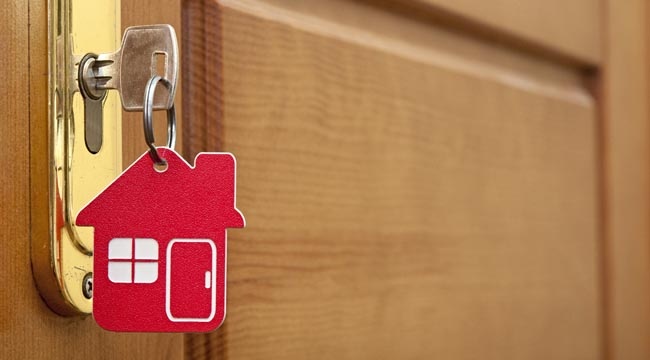
As we age, maintaining a safe and secure home becomes increasingly important. Seniors can be particularly vulnerable to break-ins, fraud, and scams, which not only threaten property but also create emotional stress and fear. Fortunately, proactive home security measures, combined with awareness and vigilance, can significantly reduce risks and provide peace of mind. By understanding potential threats and taking practical steps to protect themselves, older adults can maintain independence while ensuring their living environment remains safe and comfortable.
Understanding the Risks Seniors Face at Home
Seniors often face unique security challenges. Physical limitations, sensory changes, and reliance on caregivers can increase vulnerability to opportunistic intruders. Scammers frequently target older adults through phone calls, emails, or in-person interactions, exploiting trust and lack of familiarity with digital or financial safety practices. Break-ins can occur during the day or night, and common tactics include impersonating service workers, exploiting unlocked doors, or identifying predictable routines. Understanding these risks is the first step toward creating a secure home environment and reducing potential harm.
Strengthening Physical Security Measures
The foundation of home security starts with physical measures that make unauthorized access more difficult. Ensuring that all doors and windows have sturdy locks is essential. Deadbolts, reinforced door frames, and window locks significantly enhance protection. Installing peepholes or security cameras allows seniors to identify visitors before granting access, adding a layer of confidence. Exterior lighting, particularly motion-activated lights around entrances, can deter intruders and increase visibility at night. Maintaining a well-lit and orderly property communicates vigilance and discourages potential break-ins.
Securing Entry Points and Valuables
Seniors should pay special attention to commonly targeted areas, such as back doors, garages, and windows. Locking all entry points, even when at home, reduces vulnerability. Valuable items should be kept out of plain sight, either in secure storage or hidden compartments, to prevent theft during break-ins. Utilizing timers for lights and electronics can give the impression that someone is home, further deterring criminal activity. These simple yet effective strategies make it less likely that intruders will target a senior’s residence.
Protecting Against Scams and Fraud
Scams are an increasingly common threat to seniors. Fraudsters often exploit trust, offering fake services, investment opportunities, or phishing attempts via phone or email. Seniors should be cautious when sharing personal information or responding to unsolicited calls. Verifying identities and contacting known service providers directly can prevent falling victim to scams. Educational resources from community centers, senior organizations, and government agencies provide valuable guidance on recognizing and avoiding fraudulent schemes. Awareness is a powerful tool that complements physical security measures.
Utilizing Technology for Home Safety
Modern technology offers numerous options to enhance home security for seniors. Security systems with alarms, cameras, and remote monitoring provide real-time protection and peace of mind. Smart locks and motion sensors can alert residents or caregivers to unusual activity. Even simple devices such as doorbell cameras allow seniors to verify visitors before answering the door. Technology integration not only enhances safety but also promotes independence, allowing older adults to manage security effectively without constant assistance.
Developing a Safety Routine
Routine plays a critical role in maintaining home security. Seniors should make it a habit to lock doors and windows, check security devices, and monitor for suspicious activity daily. Informing trusted neighbors about daily schedules or unusual circumstances can create a community network that provides additional protection. Involving family members or caregivers in regular check-ins ensures that seniors have support and assistance if needed. A consistent safety routine reduces vulnerability and fosters confidence in managing security independently.
Emergency Preparedness and Response
Even with preventive measures, emergencies can occur. Seniors should have a clear plan for responding to break-ins or attempted scams. Knowing who to contact, how to alert authorities, and having emergency numbers readily accessible are crucial components of preparedness. Practicing drills or discussing scenarios with caregivers can help seniors react calmly and effectively. Additionally, joining local neighborhood watch programs or community safety groups provides extra support and resources in case of emergencies.
FAQ: Home Security for Seniors
What is the most important step in securing a home for seniors? Ensuring all doors and windows have strong locks and using additional security devices, such as cameras or alarms, is critical.
How can seniors protect themselves from phone or online scams? Avoid sharing personal information with unknown callers, verify requests independently, and use trusted resources for guidance on scam prevention.
Are smart home devices useful for senior safety? Yes, devices like doorbell cameras, motion sensors, and remote alarms can enhance safety and provide peace of mind.
Should seniors involve family or neighbors in security planning? Absolutely. Trusted contacts can offer assistance, monitor the home, and provide immediate support in emergencies.
How can seniors make their home appear less vulnerable to intruders? Simple measures such as maintaining lighting, using timers, keeping valuables out of sight, and fostering neighborhood awareness can deter potential intruders.
Conclusion
Home security is essential for seniors to maintain independence, confidence, and peace of mind. By strengthening physical security, safeguarding entry points and valuables, staying vigilant against scams, utilizing technology, and establishing a daily safety routine, older adults can significantly reduce risks of break-ins and fraud. Preparing for emergencies and involving trusted contacts further enhances safety, allowing seniors to enjoy a secure and comfortable living environment. Proactive measures combined with awareness empower seniors to protect themselves and their homes while maintaining independence and quality of life.