
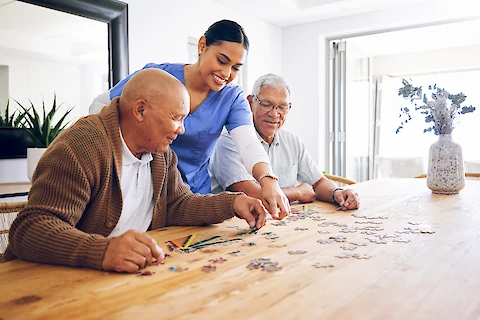
As we age, maintaining mental sharpness is just as important as staying physically healthy. Cognitive decline is a natural part of aging, but engaging in the right activities can keep the brain active, improve memory, enhance problem-solving skills, and even reduce the risk of dementia. Seniors who consistently challenge their minds and embrace stimulating activities can enjoy better focus, creativity, and emotional well-being. By incorporating brain-boosting practices into daily routines, older adults can stay engaged, alert, and mentally resilient.
Why Brain Health Matters for Seniors
The brain controls every aspect of daily life, from memory and decision-making to emotions and social interactions. Cognitive decline can affect independence, quality of life, and overall health. Keeping the brain active not only enhances mental performance but also supports emotional stability, social engagement, and the ability to adapt to new situations. Scientific research suggests that mental stimulation can slow cognitive decline and improve neuroplasticity—the brain’s ability to form new connections and pathways.
Mental Exercises for Seniors
Engaging the brain in structured exercises can sharpen memory, focus, and problem-solving skills.
1. Puzzles and Brain Games
Crosswords, Sudoku, logic puzzles, and memory games are excellent tools for stimulating different areas of the brain. Regularly challenging the mind with these activities improves concentration, pattern recognition, and critical thinking.
2. Reading and Writing
Reading books, magazines, or newspapers engages comprehension and analytical skills, while writing—whether journaling, creative writing, or letter-writing—enhances memory, vocabulary, and expressive abilities. These activities also provide a sense of accomplishment and enjoyment.
3. Learning New Skills
Learning something new, such as a language, musical instrument, or craft, challenges the brain and promotes neuroplasticity. Even simple hobbies like painting, knitting, or cooking unfamiliar recipes stimulate cognitive function and creativity.
4. Memory Exercises
Techniques like memorizing lists, practicing recall, or using mnemonic devices strengthen memory retention. Seniors can also engage in activities that require remembering sequences or details, such as card games or storytelling.
Physical Activity for Cognitive Health
Exercise benefits both the body and the brain. Physical activity increases blood flow to the brain, improves mood, and promotes the growth of new brain cells. Seniors can try:
-
Walking, jogging, or swimming to support cardiovascular and brain health.
-
Yoga or Tai Chi for coordination, balance, and mental focus.
-
Dancing, which combines physical movement with memory and rhythm for dual benefits.
Regular physical activity enhances concentration, reduces stress, and supports long-term cognitive function.
Social Engagement and Mental Stimulation
Interacting with others is essential for maintaining mental agility. Social engagement reduces stress, combats loneliness, and encourages active thinking. Seniors can:
-
Join clubs, community groups, or hobby classes.
-
Participate in volunteer activities that require planning and problem-solving.
-
Engage in discussions, debates, or group games that challenge reasoning and memory.
Meaningful social interaction keeps the mind sharp while fostering emotional well-being.
Mindfulness and Meditation
Practices like meditation, deep breathing, and mindfulness enhance attention, focus, and emotional regulation. These techniques reduce stress, which can negatively impact cognitive function, and improve overall brain health. Spending even 10–15 minutes daily on mindfulness exercises can make a noticeable difference in mental clarity and resilience.
Nutrition for Brain Health
The foods seniors eat play a crucial role in cognitive function. Brain-healthy nutrition includes:
-
Omega-3 fatty acids found in fish, flaxseeds, and walnuts.
-
Antioxidant-rich fruits and vegetables to reduce oxidative stress.
-
Whole grains and legumes for steady energy and blood sugar control.
-
Foods rich in B vitamins, vitamin E, and magnesium to support memory and brain function.
Hydration is equally important, as dehydration can negatively affect focus and memory.
FAQ: Brain-Boosting Activities for Seniors
Can seniors really improve memory with exercises?
Yes. Regular mental stimulation, learning new skills, and memory exercises strengthen cognitive function and can slow age-related decline.
Is physical activity really linked to brain health?
Absolutely. Exercise increases blood flow to the brain, supports neuroplasticity, and improves mood and focus.
How often should seniors engage in brain-boosting activities?
Daily mental and physical stimulation is ideal, even if for short periods. Consistency matters more than duration.
Can social interactions help cognitive health?
Yes. Social engagement challenges the brain, encourages problem-solving, and reduces risks associated with isolation.
Are supplements enough to maintain brain health?
While certain nutrients support cognitive function, supplements cannot replace mental stimulation, physical activity, and social engagement. A holistic approach works best.
Conclusion
Maintaining cognitive health is essential for seniors to enjoy independence, social engagement, and a high quality of life. Incorporating brain-boosting activities such as puzzles, reading, learning new skills, physical exercise, social interaction, mindfulness, and proper nutrition helps sharpen memory, improve focus, and enhance overall mental resilience. By embracing these practices consistently, older adults can stay sharp, engaged, and confident in their daily lives, fostering a vibrant and fulfilling lifestyle even in the later years.