


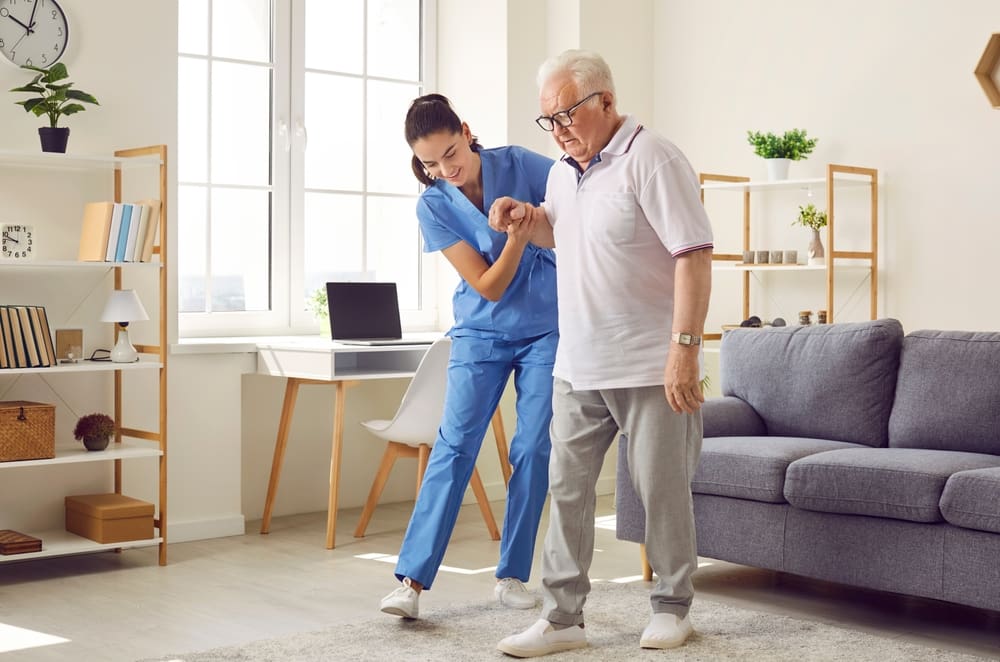
Home should be a place of comfort, relaxation, and security. However, as seniors age, certain risks—such as falls, accidents, and health emergencies—become more likely. Taking proactive measures to enhance safety at home can prevent injuries, promote independence, and provide peace of mind. By following essential safety tips, older adults can create a secure environment that supports healthy aging and overall well-being.
1. Keep Floors Clear and Clutter-Free
Clutter and obstacles increase the risk of trips and falls, which are common causes of injury among seniors. Remove loose rugs, wires, and unnecessary furniture from walkways. Ensure pathways are wide enough to move safely and add non-slip mats in areas prone to moisture, such as bathrooms and kitchens.
2. Install Grab Bars and Handrails
Bathrooms and staircases are high-risk areas for falls. Installing grab bars near toilets, showers, and tubs, as well as sturdy handrails along stairways, provides support and stability. Seniors can also consider adding a shower seat or bench for added safety during bathing.
3. Improve Lighting Throughout the Home
Adequate lighting reduces the risk of accidents, especially during nighttime. Use bright, even lighting in hallways, staircases, kitchens, and bathrooms. Motion-sensor night lights can help seniors safely navigate the home in the dark, preventing trips and falls.
4. Use Non-Slip Surfaces
Wet or slippery surfaces are major hazards in homes. Apply non-slip mats in showers, tubs, and kitchens. Consider non-slip treads on stairs and use slip-resistant footwear indoors. These simple measures significantly reduce the risk of serious injuries.
5. Keep Emergency Numbers Accessible
Seniors should have quick access to emergency contacts, including family members, neighbors, and local emergency services. Place a list of phone numbers in easily visible locations and consider using a mobile phone, medical alert device, or smartwatch for added safety.
6. Install Smoke and Carbon Monoxide Detectors
Fire and carbon monoxide hazards pose serious risks to seniors. Ensure smoke and carbon monoxide detectors are installed on every floor, especially near sleeping areas. Test detectors monthly and replace batteries regularly to maintain functionality.
7. Organize Kitchen and Cooking Areas Safely
The kitchen can be a dangerous place due to sharp objects, hot surfaces, and heavy items. Store frequently used items within easy reach to avoid excessive bending or reaching. Use appliances with simple, easy-to-read controls and keep countertops clutter-free. Avoid using loose cords that could cause tripping.
8. Practice Safe Medication Management
Many seniors take multiple medications, increasing the risk of mistakes. Use a pill organizer or labeled containers to manage dosages. Keep medications in a consistent location, out of reach of children or pets, and regularly check expiration dates. Consulting with a pharmacist or healthcare provider can help ensure medications are taken safely.
9. Encourage Regular Exercise and Mobility Support
Maintaining strength, balance, and flexibility is crucial to prevent falls. Seniors should engage in gentle exercises such as walking, stretching, yoga, or Tai Chi. If mobility is limited, assistive devices like canes, walkers, or grab bars can provide additional support and enhance safety around the home.
10. Plan for Emergencies
Being prepared for emergencies improves safety and reduces panic during critical situations. Seniors should create an emergency plan that includes evacuation routes, contact information, and a checklist of essential items. Keeping a small emergency kit with water, medications, flashlight, and first aid supplies is highly recommended.
FAQ: Home Safety for Seniors
What is the most common cause of injury at home for seniors?
Falls are the leading cause of injury, often occurring in bathrooms, staircases, or cluttered areas.
How can seniors prevent falls effectively?
Maintaining clear walkways, installing grab bars, improving lighting, using non-slip surfaces, and engaging in regular exercise all help prevent falls.
Are medical alert systems worth it?
Yes. Medical alert devices provide immediate access to help in emergencies, which is particularly valuable for seniors living alone.
How often should home safety measures be reviewed?
Regularly, at least annually, or whenever there are changes in health, mobility, or living arrangements.
Can small adjustments make a significant difference in safety?
Absolutely. Even minor modifications, like improving lighting, removing rugs, or adding handrails, can significantly reduce the risk of accidents.
Conclusion
Ensuring home safety is crucial for seniors to maintain independence, comfort, and overall well-being. By following these ten essential tips—keeping floors clear, installing grab bars, improving lighting, using non-slip surfaces, managing medications, and planning for emergencies—older adults can significantly reduce risks and create a secure living environment. Small, proactive changes empower seniors to live safely, confidently, and comfortably in their homes while supporting healthy aging and peace of mind.